(432) 741-9427
(432) 741-9427

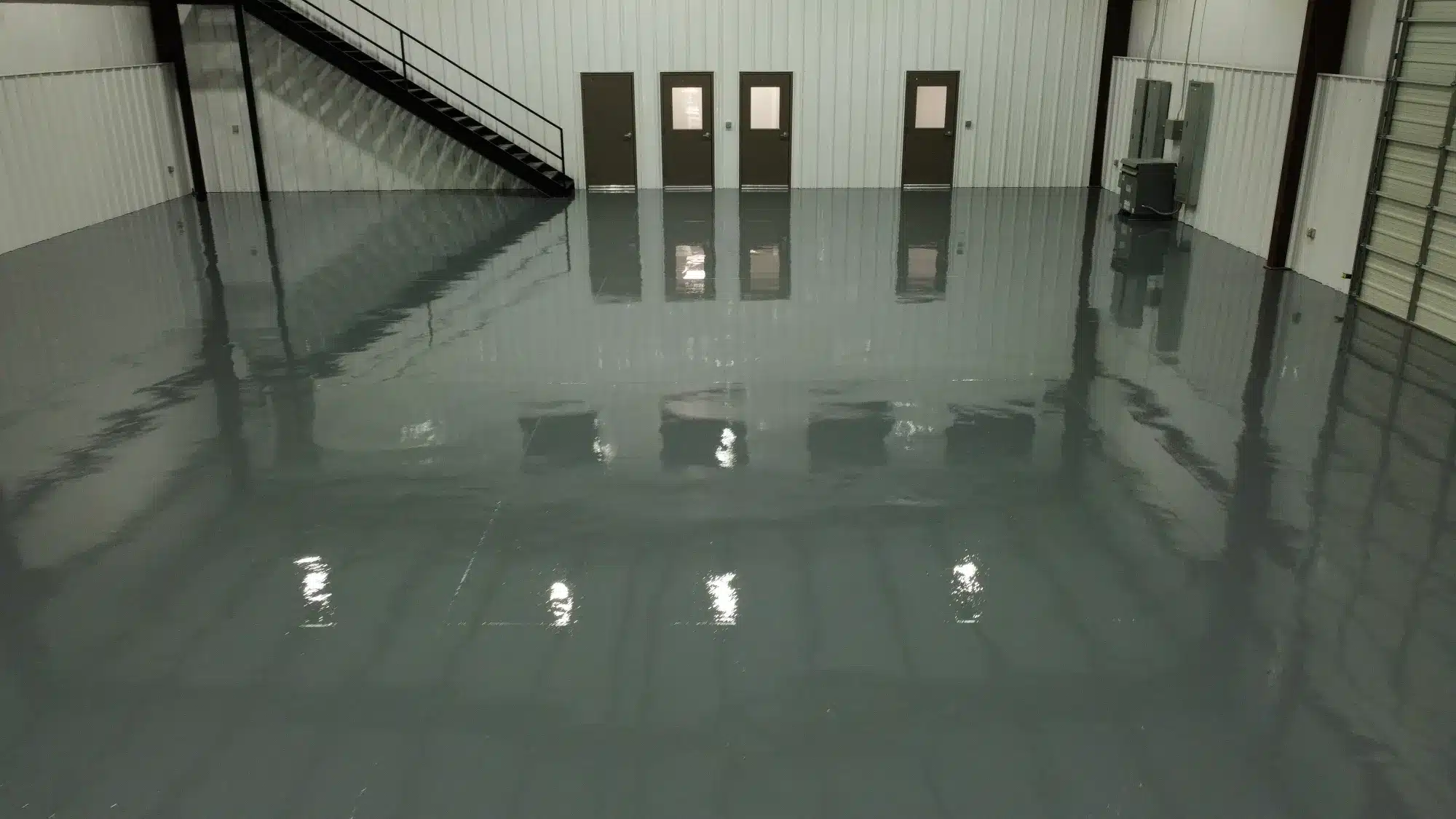
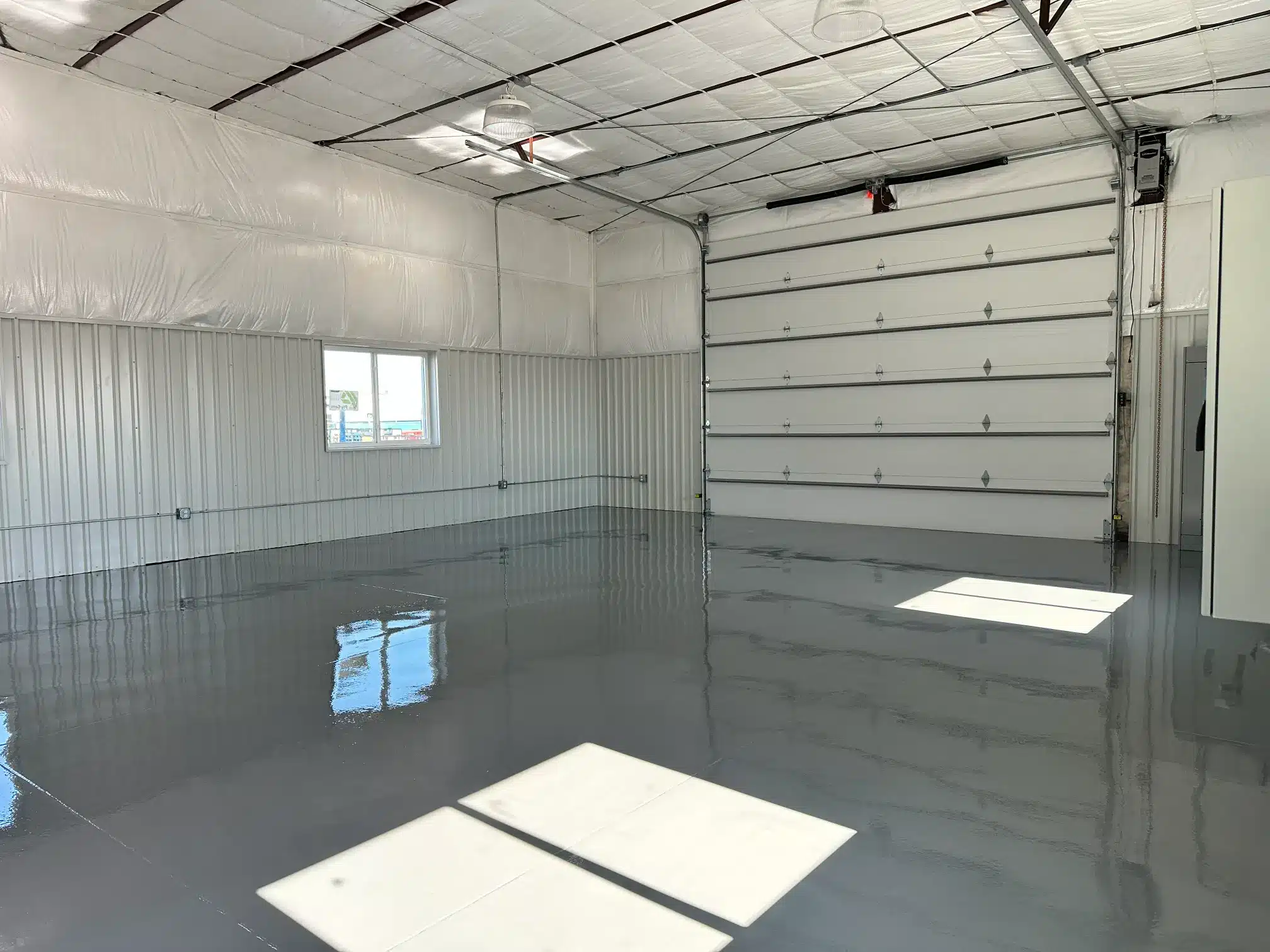
A professionally installed epoxy floor can often last 10 to 20 years when the flooring system matches the building and receives proper care. However, no single lifespan applies to every epoxy floor.
Traffic, surface preparation, moisture, chemical exposure, cleaning, and installation quality all affect the final result. A lightly used commercial floor may last much longer than a floor exposed to forklifts, heavy machinery, oils, and daily production.
Understanding these factors will help you set realistic expectations and choose the right flooring system for your facility.
Offices and showrooms
Foot traffic, furniture, cleaning methods, and sunlight
Warehouses
Forklifts, pallets, wheel traffic, sand, and dropped materials
Manufacturing facilities
Machinery, chemicals, oils, impact, and production debris
Commercial kitchens
Water, grease, heat, food products, and frequent cleaning
Mechanical rooms
Oils, chemicals, equipment maintenance, and limited ventilation
Medical facilities
Constant cleaning, carts, equipment, and sanitation requirements
Facilities with light traffic and controlled conditions usually get a longer service life. Demanding industrial environments may require more frequent maintenance or an earlier topcoat replacement.
When facility managers ask, “How long does commercial epoxy flooring last?”, the most accurate answer is that it depends on the system and the environment.
A professionally prepared and installed commercial epoxy floor can remain in service for many years. Some systems may reach or exceed 20 years under suitable conditions. Floors exposed to heavy traffic, harsh chemicals, extreme temperatures, or constant moisture can wear faster.
The term “epoxy flooring” can also describe several different products. A thin coating intended for light traffic will not perform like a high-build industrial system designed for forklifts and manufacturing equipment.
A contractor should match the coating thickness, materials, texture, and topcoat to the building’s actual use.
Surface preparation is one of the most important parts of an epoxy installation.
The concrete slab must be clean, sound, and properly prepared so the coating can bond to it. Oil, dust, old paint, weak concrete, or other contaminants can interfere with adhesion.
Professional preparation may include grinding or shot blasting. Cracks and damaged areas may also need repair before the epoxy is installed.
Even a high-quality product can fail early if it is applied over poorly prepared concrete.
Concrete can contain or transmit moisture even when the surface looks dry. Moisture vapor beneath a coating can contribute to bubbles, blisters, or loss of adhesion.
Moisture testing helps the contractor determine whether the slab is suitable for epoxy or needs a moisture-control system.
This step matters in every climate, including West Texas. Dry outdoor weather does not guarantee that a concrete slab is free of moisture concerns.
The amount and type of traffic will directly affect the epoxy floor lifespan.
Foot traffic produces less wear than forklifts, steel wheels, loaded carts, or heavy machinery. Turning forklift tires and dragging pallets can place additional stress on the surface.
A warehouse aisle may wear faster than the storage area beside it. High-traffic paths should be inspected regularly so worn topcoats can be addressed before deeper damage occurs.
Epoxy flooring can provide strong chemical resistance, but not every epoxy system resists every chemical.
The contractor should know which oils, cleaners, acids, fuels, or production chemicals may contact the floor. Concentration, temperature, and exposure time also matter.
Spills should still be cleaned promptly. Allowing chemicals to remain on the floor longer than necessary can shorten its service life.
Epoxy flooring must be mixed and installed according to the product requirements. Temperature, humidity, slab conditions, mixing ratios, coating thickness, and curing time can all affect performance.
Opening the floor to traffic too soon may damage a system before it has fully cured. Facility owners should follow the installer’s return-to-service schedule for foot traffic, equipment, cleaning, and chemical exposure.
Epoxy floors are relatively easy to maintain, but they are not maintenance-free.
Sand, dirt, metal shavings, and other debris can act like abrasives under wheels and equipment. West Texas facilities should pay special attention to tracked-in sand and dust.
Routine sweeping and cleaning help protect the finish. Cleaning products should also be compatible with the installed coating.
A few practical steps can help extend the life of an epoxy floor:
Preventive maintenance is normally less disruptive than waiting for widespread peeling or damage.
Visible wear does not always mean the entire floor must be replaced. In some cases, cleaning, repairs, or a new topcoat may restore performance.
Schedule an inspection if you notice:
Early repairs can prevent a small problem from becoming a larger flooring project.
A floor may only need recoating when the existing system remains well bonded and the damage is limited to normal surface wear.
Replacement may be necessary when there is widespread loss of adhesion, moisture-related failure, major concrete damage, severe contamination, or a coating that is not suitable for the facility.
The floor should be inspected before deciding. Covering a failing coating with another layer will not correct problems underneath it.
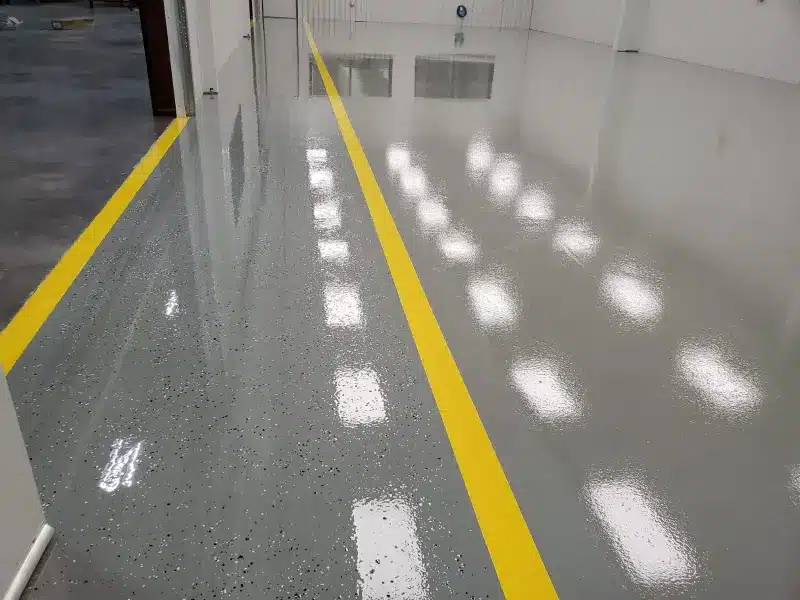
Epoxy flooring can be a cost-effective choice for commercial and industrial buildings that need a seamless, durable, and easy-to-clean surface.
Its value depends on using the correct system. A properly specified industrial floor may cost more upfront than a basic coating, but it can provide better protection and require fewer repairs under demanding conditions.
The lowest installation price does not always produce the lowest long-term cost.
So, how long does epoxy flooring last? A properly installed and maintained system can often provide 10 to 20 years of service. Actual results depend on the concrete, traffic, chemicals, moisture, cleaning, and coating design.
The best way to improve floor life is to start with a professional site evaluation. The installer can review the slab and recommend a system designed for the way your facility operates.
Top Texas Concrete Flooring installs commercial and industrial epoxy flooring in Midland, Odessa, the Permian Basin, and surrounding West Texas communities.
Request a flooring evaluation to find the right epoxy system for your facility.